Commercial Moves in Soho
If you are planning Commercial Moves in Soho, you already know this is not a simple job of loading a van and heading across town. Soho is one of London’s busiest and most characterful districts, with tight streets, mixed-use buildings, controlled access points, busy footfall, and a constant flow of deliveries, clients, visitors, and residents. That combination makes moving a business here very different from relocating in a quieter area. Whether you are moving a creative studio, a retail unit, an office, a hospitality venue, a consultancy, or a small professional workspace, the right moving support can save time, reduce disruption, and help your team get back to work quickly.
A good commercial relocation is about more than transport. It is about planning, coordination, protection of equipment, careful handling of furniture and files, managing access on the day, and making sure the move fits the realities of Soho life. Local businesses often need a team that understands loading restrictions, narrow roads, basement access, shared entrances, and the pressure of working around landlords, building managers, and neighbouring premises. That is why many local customers prefer a service with real Soho experience rather than a generic one-size-fits-all approach.
From the first call or enquiry through to final placement of desks, stock, or fixtures, the best moving service is organised around your business needs. If you are looking for commercial removals in Soho, office relocation help, shop moving support, or a flexible team for multi-site business transfers, this page explains what to expect, what is included, and how to prepare for a smoother move.

Why commercial moving in Soho needs a local approach
Soho is unlike many parts of central London. It has an energetic mix of older buildings, modern office spaces, hospitality venues, and independent businesses. Many premises sit on compact streets where parking is limited and timing matters. For a business move, that means coordination is not optional; it is essential. A local team with experience in this area can plan around restrictions, identify the best way to access your property, and reduce the risk of delays on moving day.
Commercial moves in Soho often involve more than one type of property in the same relocation. A company might have a reception area above a restaurant, a storage room in the basement, and a workspace on an upper floor. That can create issues with lift access, stairwells, fragile items, noise control, and building rules. A practical moving plan takes all of these into account before the first item is lifted.
Local knowledge also matters because Soho’s roads can be unpredictable. Deliveries, events, roadworks, and pedestrian traffic can affect timing. A business moving service that understands the area can schedule collections and deliveries more realistically, helping you avoid unnecessary stress. If your move involves multiple stages, staggered handovers, or out-of-hours work, that local awareness becomes even more valuable.
Who our commercial moving service is for
Businesses in Soho come in many shapes and sizes, and each one has its own moving requirements. Some need a quick internal relocation to another floor in the same building. Others need a complete office move to a new address nearby. Some are moving sensitive equipment, while others need stock, display units, or hospitality fittings transferred with care. A flexible commercial removal service should be able to support all of these situations.
Typical customers looking for business relocation support in Soho include:
- Offices and co-working spaces
- Creative agencies and production teams
- Retail shops and showrooms
- Restaurants, cafés, bars, and hospitality venues
- Medical, wellness, and consultation rooms
- Professional service firms
- Start-ups and small businesses
- Landlords, managing agents, and fit-out contractors
These customers often need more than transport. They need careful handling, timed arrivals, support with dismantling and reassembly, and a methodical approach to keep disruption low. When choosing a mover, it helps to look for a team that can adapt to your schedule rather than forcing your business to adapt to theirs.
Some companies also need help with commercial relocations in Soho that involve phased moves. For example, you may want to move archived files on one day, IT equipment on another, and furniture later in the week. A structured relocation plan can make this easier to manage and far less disruptive to staff and customers.
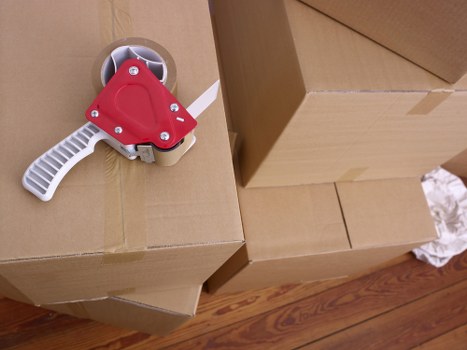
What is included in a commercial move
Every business move is different, but most commercial moving services should include the core tasks needed to relocate safely and efficiently. The exact scope depends on the size of your premises, the type of items you need moving, and how much preparation you want the movers to handle. A clear service plan should leave you in no doubt about what is covered.
Common features of commercial moves in Soho include:
- Pre-move planning and access checks
- Loading and unloading of office or business items
- Protection for furniture and equipment
- Dismantling and reassembly of desks, shelving, and selected items
- Transport of boxes, archive materials, and fixtures
- Handling of fragile or awkward items
- Placement of items in the correct rooms or zones at the new site
- Coordination for timed access or building management requirements
Depending on the size of the relocation, the service may also include crate delivery, packing support, and help with redundant furniture removal where arranged in advance. For some local businesses, the most useful part of the service is the planning. Having someone map out the move properly can reduce downtime and make the day much easier for staff.
For businesses with valuable or sensitive items, it is wise to ask how the team handles electronics, confidential documents, or specialist equipment. A reliable moving crew should be able to explain how they protect items during loading, transit, and unloading, and how they work around your preferred timeline.
How the moving process works
A smooth business relocation usually starts with a conversation about the property, the items involved, and your preferred move date. From there, the process should become increasingly specific. The best movers will ask practical questions rather than offering vague promises. They may want to know about building access, floor levels, whether there is a lift, where vehicles can stop, what time your premises can be accessed, and whether any items need special handling.
Once the main details are clear, a move plan can be built around the realities of your space. This is especially important in Soho, where access can be tight and timing can make a real difference. If your business needs to avoid peak trading hours, you may need an early start, an evening move, or a weekend relocation. If you share the building with other tenants, you may also need to coordinate corridors, lifts, and loading areas carefully.
On the day of the move, the team should work methodically. Items are usually grouped by area, labelled where needed, and loaded in a sequence that makes unloading straightforward. This matters because a business move is not complete when the van departs. It is complete when your workspace is set up in a way that lets people resume work efficiently. A good move is one that helps you reopen, restart, or continue operating with minimal interruption.

Preparing your business for a move in Soho
Preparation is one of the biggest factors in whether a commercial move feels manageable or chaotic. Even if you are using experienced movers, your own internal organisation can make the process faster and more efficient. The more clearly you can separate essential items from non-essential ones, the easier it becomes to prioritise what should move first.
Here is a practical preparation checklist for businesses planning a relocation:
- Confirm your move date and access times with the building manager or landlord.
- Inform staff about packing responsibilities and deadlines.
- Label boxes by department, room, or priority level.
- Back up digital files and secure all sensitive data.
- Disconnect and prepare IT equipment in line with your own procedures.
- Identify items that need specialist handling, such as artwork or delicate fixtures.
- Clear walkways and make sure loading areas are accessible where possible.
- Set aside essentials that must be available immediately at the new site.
Tip: if your business deals with customers throughout the day, consider moving in phases rather than all at once. This can keep part of the business operational while the rest is transferred. For many Soho businesses, a staggered move is the most sensible option because it reduces disruption and makes it easier to keep staff productive.
It is also useful to brief your team on what not to pack. Shared equipment, critical paperwork, cash handling items, and items needed for opening or servicing customers should be managed carefully. A little planning before moving day can prevent delays once the van arrives.
Why businesses choose a local company for Soho relocations
There are many reasons local customers prefer a moving company that regularly works in central London and understands Soho in particular. The biggest reason is practical: local teams tend to know how to manage the area’s restrictions and quirks. That includes narrow streets, restricted stopping zones, busy pavements, and buildings that are less straightforward than modern commercial units.
Another major benefit is flexibility. Businesses in Soho often need to move at times that suit trading hours, tenants, and neighbours. A local commercial moving team is more likely to understand why early morning, late evening, or weekend access may be needed. That flexibility can be crucial for businesses in hospitality, retail, and client-facing services.
Local service also means better responsiveness. When plans change, when access is delayed, or when a last-minute issue appears, it helps to have movers who understand the area and can adapt quickly. Commercial removals in Soho often require this kind of real-time problem solving. A team with nearby coverage can make the whole process feel less pressured and more controlled.

Nearby areas and local connections
Soho does not operate in isolation. Many businesses here work across neighbouring districts and nearby commercial zones. That is why it helps if your moving team is comfortable handling relocations between Soho and surrounding central London areas. Typical nearby locations include Covent Garden, Mayfair, Fitzrovia, Leicester Square, Piccadilly, Marylebone, and the West End. These areas often share similar access challenges, but each one also has its own building layouts, traffic patterns, and timing considerations.
Some companies move from a Soho office to a larger premises in nearby districts. Others are relocating from the surrounding areas into Soho because they want to be closer to clients, transport links, or the creative and hospitality ecosystem that the district offers. Either way, the move needs to be planned around the real conditions on the ground. The best relocations are the ones that fit neatly into the rhythm of central London.
Soho’s commercial landscape also includes mixed-use buildings, basement units, upper-floor offices, and smaller premises that can be trickier than they first appear. A moving team familiar with these property types can identify likely bottlenecks before they become problems. That is especially useful when dealing with stairs, narrow internal corridors, shared entrances, and lift schedules.
Useful local insight: if your move affects neighbours or shared tenants, it may be sensible to coordinate notice periods and loading times in advance. In central London, good planning is not just polite; it can be the difference between a smooth move and an avoidable delay.
Pricing factors for commercial moves in Soho
Businesses naturally want to know what affects the cost of a move. While exact prices depend on the job, there are clear factors that shape the overall quotation. Being aware of these can help you compare services more confidently and avoid surprises later.
Common pricing factors include:
- The size of the premises
- The volume and type of items to be moved
- Whether dismantling and reassembly are needed
- Access conditions at both locations
- Floor level, lift availability, and stair use
- Loading restrictions and parking constraints
- The distance between old and new premises
- Timing requirements, such as evenings or weekends
- Need for packing materials or crate support
- Special handling for fragile, heavy, or sensitive items
If your business is planning a move in Soho, it is worth being upfront about the details. The more accurately the mover understands the job, the better they can estimate the work involved. This is particularly important in busy central areas where access conditions can change the time needed on site. A clear quote should reflect the scope of the move, not hide it.
Requesting a quote early is often the best approach. It gives you time to compare your options, gather internal approvals, and coordinate the move with staff and building managers. If your move is time-sensitive, early enquiry is even more important because the most suitable dates can be limited.

What types of items can be moved
Commercial moves in Soho can involve a wide range of business contents. Some jobs are focused mainly on furniture and office equipment, while others involve stock, fixtures, specialist tools, or customer-facing displays. The safest approach is to list everything that needs moving before the day arrives.
Items commonly moved for local businesses include:
- Office desks, chairs, cabinets, and meeting tables
- Computers, monitors, printers, and peripherals
- Retail stock and display materials
- Hospitality furniture and back-of-house items
- Archived documents and storage boxes
- Reception furniture and client-facing fittings
- Artwork, mirrors, and decorative items
- Light commercial equipment and small machinery
Not all items are moved the same way. Fragile pieces may need extra wrapping, while heavier items may require more than one person and specific handling methods. If you have delicate stock or specialist equipment, it is a good idea to mention that early. This allows the move to be planned with the right people, tools, and timing.
For some businesses, the move also involves setting items in a very particular order at the destination. This may be because the new premises are opening immediately or because different rooms must be ready in a specific sequence. A well-organised moving team can help place items where they belong, which makes unpacking and reopening much easier.
Working around access, parking, and building restrictions
One of the biggest challenges in Soho is access. Streets can be narrow, parking can be limited, and stopping points may be tightly controlled. Buildings may have specific loading instructions or access windows. If your business is in a busy part of the district, the move may need to be carefully timed to make sure the vehicle can stop safely and legally.
For that reason, it is useful to think about the move as a logistics project rather than a simple transport booking. The team may need to know whether there is a goods lift, whether the entrance is on a main street or side street, and whether the move will affect other tenants or neighbouring businesses. These details can shape the sequence of the relocation and the amount of time required.
In some cases, a local mover may recommend a smaller vehicle or a split-load approach to suit the street layout. In others, timing the move outside busy hours may be the best way to reduce congestion and stress. The more realistic the plan, the more efficient the move tends to be.
How to choose the right moving team
Choosing a commercial mover is about trust, communication, and practical know-how. A strong service should make you feel confident that your business contents are in capable hands. When comparing providers, look for evidence that they understand commercial relocation rather than just general moving work.
Questions to consider include:
- Do they ask detailed questions about your premises and items?
- Can they adapt to out-of-hours or weekend schedules?
- Do they seem familiar with central London access issues?
- Can they support phased moves or internal relocations?
- Do they explain how fragile, bulky, or sensitive items are handled?
- Are they clear about what is included in the service?
It is also sensible to choose a team that communicates clearly and keeps things straightforward. Business owners and office managers usually want practical answers, not vague promises. A reliable mover will help you understand the process, the likely timeline, and any steps you need to complete beforehand. That kind of clarity can make the difference between a stressful move and a manageable one.
Contact us today if you are ready to discuss your relocation needs, or request a free quote if you would like to compare options for your business move in Soho. If your schedule is tight, book your service now so your preferred date can be reviewed as early as possible.
Frequently asked questions about commercial moves in Soho
Can you help with small office moves as well as larger business relocations?
Yes. Commercial relocation support is often useful for smaller offices, start-ups, and independent businesses as well as larger teams. Many Soho moves are compact but still need careful planning because of access, building rules, or the need to minimise downtime.
Do I need to pack everything myself?
That depends on the arrangement you choose. Some businesses prefer to pack internally so they can control document handling and organisation. Others want support with packing, especially for equipment, stock, or breakable items. It is best to discuss your preferred approach in advance.
Can the move happen outside normal business hours?
In many cases, yes. Evening, early morning, and weekend moves are often considered for Soho businesses that want to reduce disruption. Access arrangements and building permissions will still need to be checked, but out-of-hours relocation is a common request in central London.
What if my building has stairs or limited lift access?
This is very common in central areas. The move can still be managed, but the team will need to know in advance so they can plan the labour and timing correctly. Stair access, multiple floors, and awkward internal layouts are all important factors in commercial moves in Soho.
Can you move specialist equipment or fragile items?
Many commercial moves involve delicate items such as monitors, artwork, display pieces, or specialist tools. You should always mention any items that need extra care so the move can be planned accordingly. Special handling methods can often be arranged where needed.
How far in advance should I book?
As early as possible is usually best, especially if your move has a fixed deadline or needs timed access. Central London commercial moves can involve planning around building rules and traffic conditions, so early booking gives everyone more flexibility.
Will the movers place items in the right rooms at the new site?
In most cases, yes, provided the move plan is clear. It is helpful to label boxes and furniture by destination so the unloading process is efficient. This is especially useful for office relocations where teams need to get back to work quickly.
Areas covered around Soho
Businesses in and around Soho often need relocation support across nearby parts of central London. A locally experienced team can usually assist with moves involving neighbouring commercial districts, including:
- Covent Garden
- Mayfair
- Fitzrovia
- Leicester Square
- Piccadilly
- Marylebone
- West End locations
- Other nearby central London business districts
Whether you are moving within Soho or transferring to another central location, the same principles apply: careful planning, realistic timing, and attention to the practical details that can affect access and loading. If your business has multiple sites or needs a staged transfer between locations, a flexible moving service can help you handle the transition with less disruption.
Making your move easier from start to finish
Commercial moves are easier when everyone knows what is expected. That includes your staff, your building manager, your suppliers, and the moving team itself. When communication is clear, the move tends to run more smoothly because there are fewer surprises on the day. That matters even more in Soho, where space is limited and timing can be tight.
If you are relocating a business in this area, it is worth thinking beyond the van journey itself. Consider how the move affects reopening, customer service, IT setup, storage, and day-one operations. The best moving arrangements support the whole transition, not just the physical transport of items.
Commercial Moves in Soho should feel structured, practical, and suited to local conditions. With the right plan, the right timing, and the right team, your move can be managed in a way that protects your equipment, respects your schedule, and helps your business settle in quickly. If you are preparing for a relocation, contact us today to discuss your requirements, request a free quote, or book your service now and take the next step with confidence.